Disclosure: I am not a doctor or medical professional. None of the information here is intended to be medical advice. Never use an herb medicinally before researching or getting medical advice first.
What could be better than having a beautiful flower bed, full of different textures and color, but at the same time providing many other useful benefits! On second thought, maybe there are other things that could be better… But anyways, it’s gotta be one of the top ten!
Today, I’m pleased to share with you the nine herbs we’ll be growing next year in our very first herb garden. All of the herbs we’ve chosen are highly multi-functional, which allows one small garden to possess countless benefits. So whether you’re wanting to start an herb garden and don’t know where to start, looking to save space, or you’d rather not grow twenty different plants… this post is for you!
Oregano
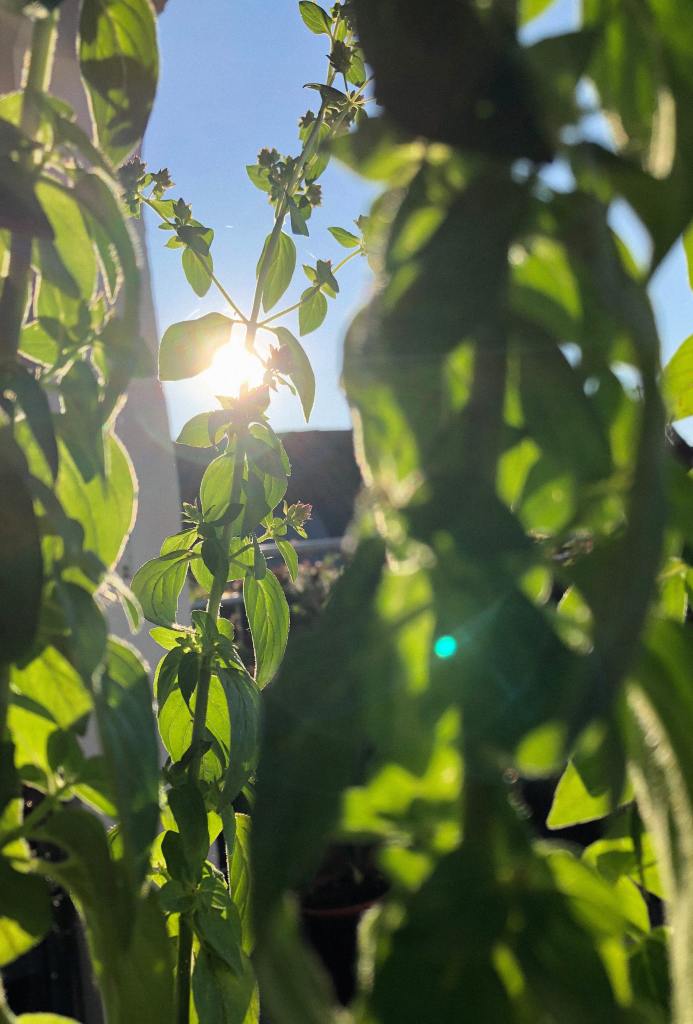
Our first herb on the list is none other than–the famous oregano! Besides it’s wide-spread use as a flavoring agent, oregano surprisingly does many other things as well:
- Can help kill bacteria
- Can help reduce inflammation
- Can help get rid of fungus
- Can help get rid of parasites
- Can help get rid of warts
- Can help with cold symptoms
- Supports healthy intestinal function
Calendula
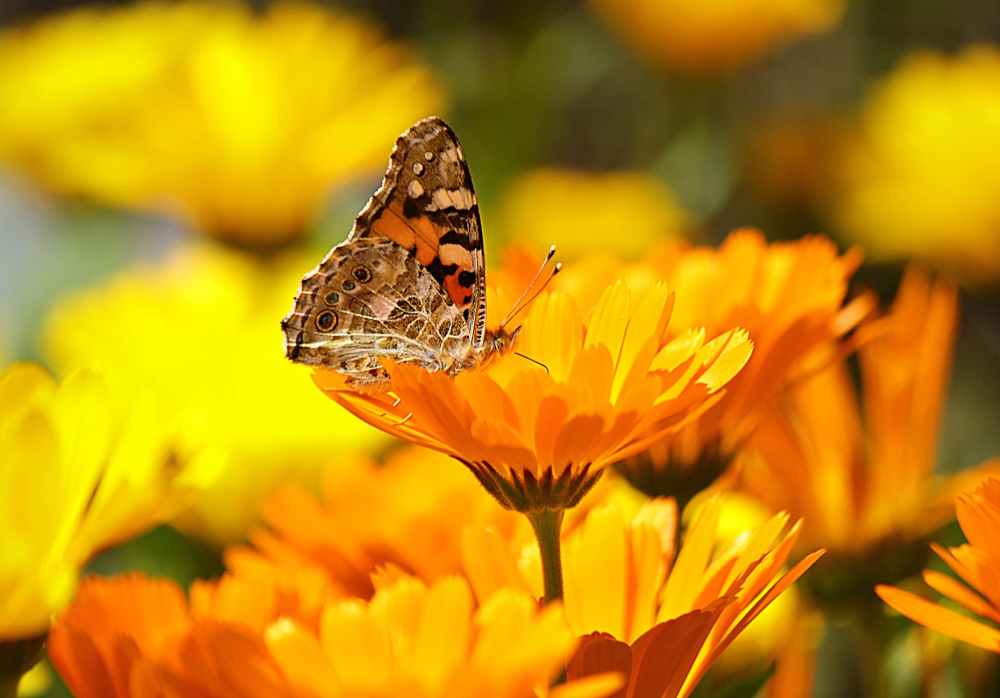
This has got to be one of the most beautiful herbs out there… it’s just so colorful! 😀 Besides acting as an eye-catching landscape element, these little beauties also have practical uses:
- Can help reduce inflammation
- Can help get rid of fungus
- Can help kill bacteria
- Can help kill viruses
- Supports menstrual health
- Supports digestive health
- Can help with dry skin
- Can help heal skin
Lemon Balm
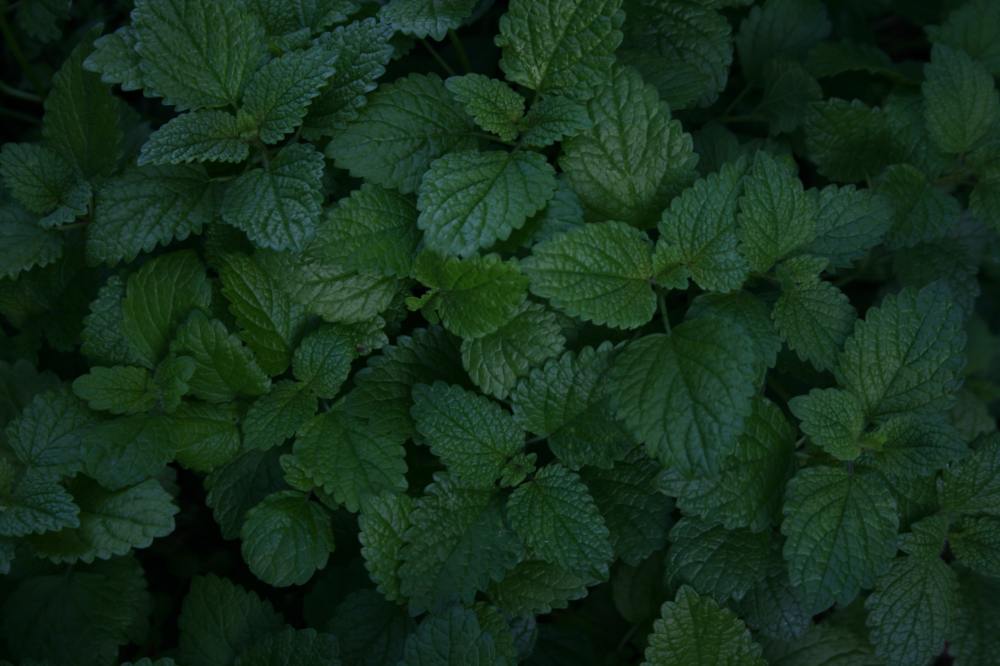
Next up on the list is a plant that lives up to it’s name–it really is soothing, just like a balm. ❤ Here’s some of it’s amazing qualities:
- Can help kill viruses
- Supports digestive health
- Can help calm menstrual cramping
- Can help with headaches
- Supports sleeping
- Supports nervous system
- Supports thyroid health
- Supports healthy blood sugar
- Supports heart health
Stinging Nettle
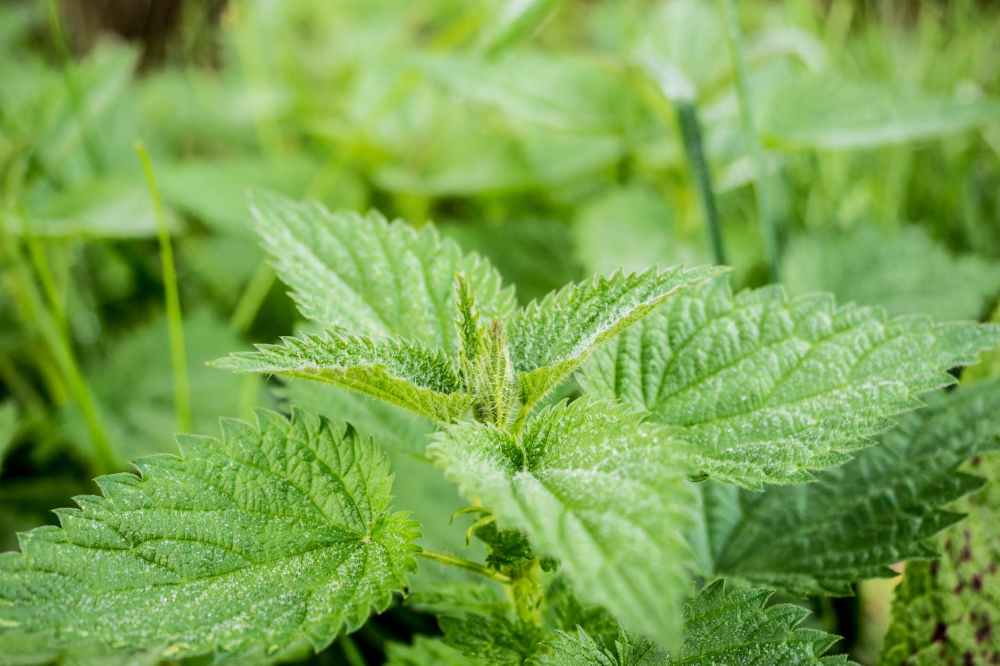
I have to admit, this one’s a little weird. 🙂 But yes! Even this not-so-friendly-at-first herb has many benefits. And don’t worry, the spines loose their prickliness once they’re cooked down. Here’s it’s portfolio:
- Can help reduce inflammation
- Can help kill microbes
- Can help with allergies
- Can help with nasal congestion
- Supports heart health
- Supports healthy blood sugar
- Supports hair and scalp health
- Supports healthy detoxing
- Supports digestive health
- Supports skin health
Common Yarrow
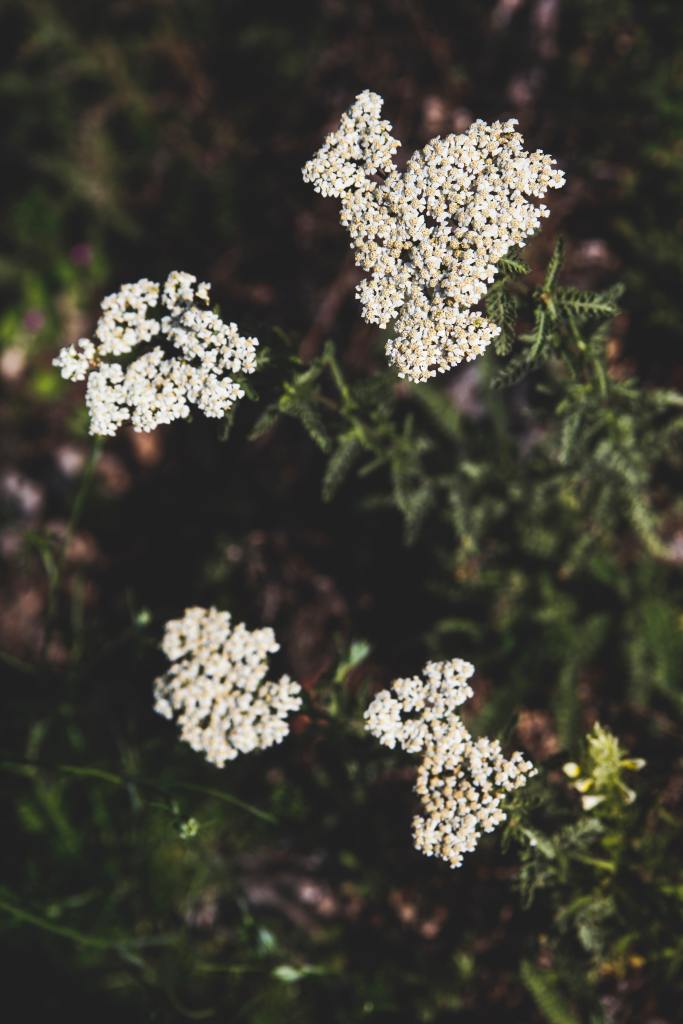
Introducing another highly multi-functional herb! It’s dainty little flowers add beauty and interest to your flower beds, but it also has many practical uses:
- Can help with diarrhea
- Can help with nosebleeds
- Supports digestive health
- Supports circulatory system health
- Supports respiratory health
- Supports healthy memory
- Supports skin health
- Can help kill bacteria in wounds
- Can help with black eyes and nails
- Supports menstrual health
- Supports healthy reactions to cold and flu
- Supports kidney health
- Supports hair health
Spearmint
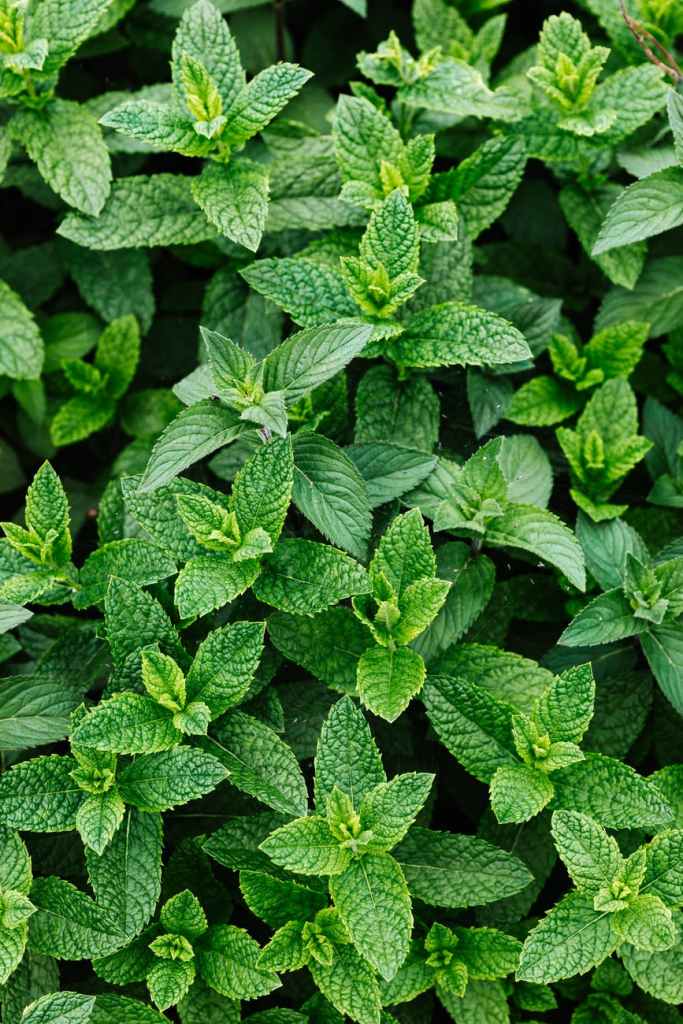
This is one of my favorite herbs we’re trying–I really love a good mint tea! But that’s not all this little guy can do.
- Can help reduce inflammation
- Can help kill bacteria
- Can help kill microbes
- Supports digestive health
- Supports respiratory health
- Supports nervous system health
- Supports immune system health
- Can help reduce itching
- Supports circulatory health
Chamomile
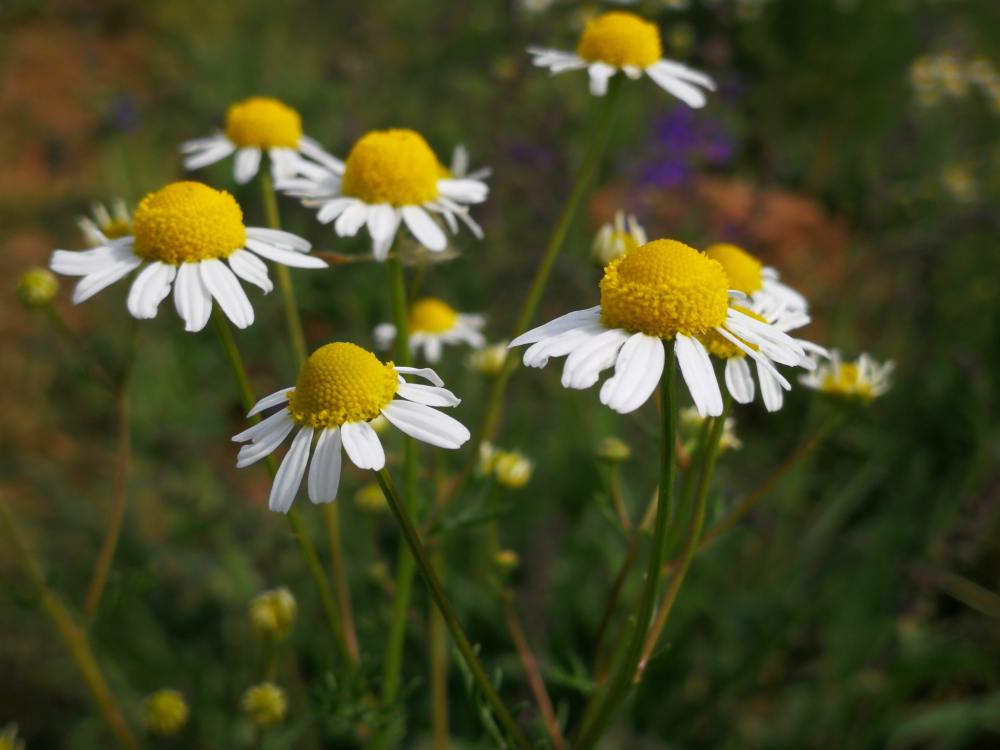
Ah, chamomile. The famous, relaxing chamomile. Another personal favorite tea ingredient of mine, and a favorite of many others I’m sure. Check out what this miniature daisy can do!
- Can reduce inflammation
- Can help kill bacteria
- Supports sleep
- Supports oral health
- Supports heart health
- Can help with allergies
- Can help with congestion
- Supports nervous system health
- Supports skin health
- Supports digestive health
- Supports menstrual health
- Supports hair health
- Supports respiratory health
Saint John’s Wort
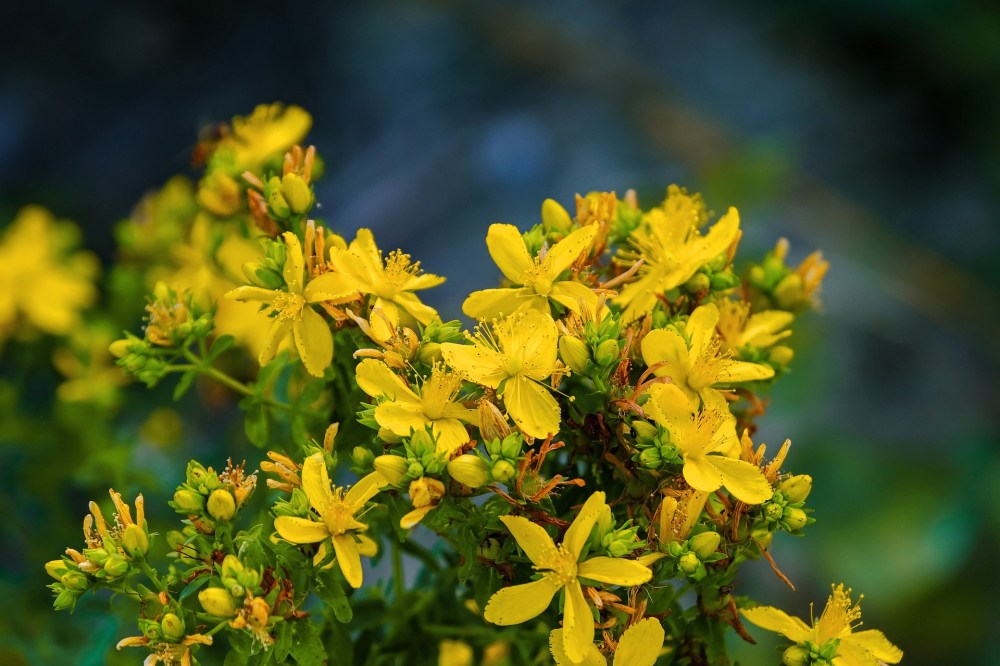
This herb has kind of a funny name; it’s almost kind of intimidating. But this one has a few really amazing qualities as well!
- Can help reduce inflammation
- Supports wound healing
- Supports bladder health
- Supports nervous system health
Echinacea
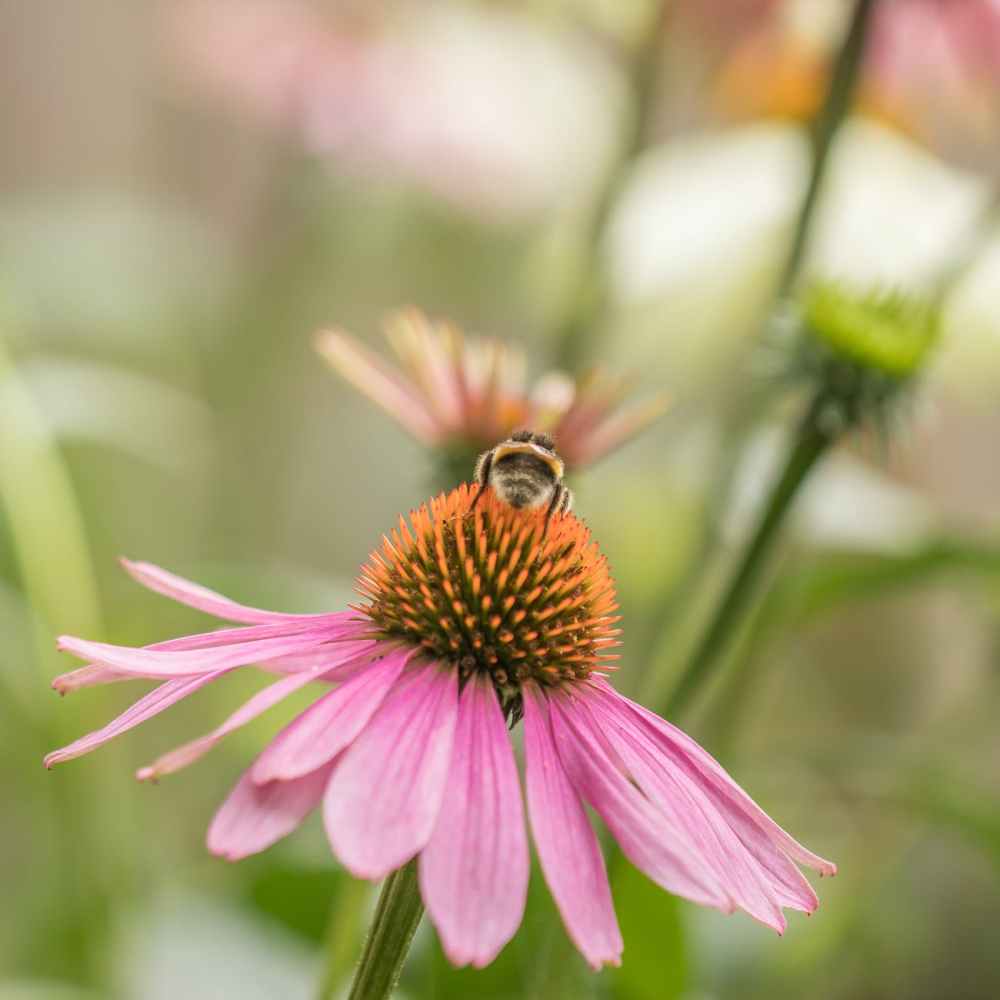
And last, but definitely not least, echinacea! Also known as purple coneflower, this beautiful annual is widely known for supporting immune system health. But that’s not all it can do!
- Can help kill viruses
- Can help kill bacteria
- Can help reduce inflammation
- Supports skin health
- Supports blood sugar health
- Supports respiratory health
- Supports oral health
- Can help with fevers
- Supports healthy detoxing
- Supports hair health
I hope this helps you with planning your herb garden for next year! If you’re going to order seeds, I would advise doing it as soon as possible. There are rumors of seed shortages floating around, and I’d hate for you to miss the opportunity. 😦
Happy garden planning! 🙂
Sources:
(*None of these links are affiliate links*)
- https://wellnessmama.com/8409/oregano/
- https://wellnessmama.com/7648/calendula/
- https://wellnessmama.com/4807/nettle-herb-profile/
- https://wellnessmama.com/7106/yarrow-herb-profile/
- https://wellnessmama.com/4856/chamomile-herb-profile/
- https://wellnessmama.com/25999/echinacea-benefits-uses/
- https://thefreerangelife.com/benefits-of-oregano/
- https://www.kindearth.net/lemon-balm-benefits-and-uses-absolute-must-in-any-vegetable-garden/
- https://civilizedcaveman.com/health/benefits-lemon-balm-sleep-wellness/
- https://ifarmboxford.com/calendula-medicine-herb/
- https://www.botanical-online.com/en/medicinal-plants/calendula-properties
- https://www.botanical-online.com/en/medicinal-plants/nettle-urtica-dioica-properties
- https://www.botanical-online.com/en/medicinal-plants/yarrow-herb-properties
- https://www.botanical-online.com/en/medicinal-plants/matricaria-chamomile-medicinal-properties
- https://www.botanical.com/botanical/mgmh/y/yarrow02.html
- https://botanical.com/botanical/mgmh/s/spearm73.html
- https://www.botanical.com/botanical/mgmh/s/sajohn06.html
- https://www.nutrition-and-you.com/spearmint.html
- https://www.organicfacts.net/health-benefits/herbs-and-spices/spearmint.html
- https://www.organicfacts.net/chamomile.html
- https://www.organicfacts.net/health-benefits/herbs-and-spices/st-johns-wort.html
- https://www.organicfacts.net/echinacea.html
- https://www.motherearthnews.com/natural-health/herbal-remedies/benefits-of-st-johns-wort-ze0z1406zhou
- https://www.motherearthnews.com/natural-health/echinacea-common-medicinal-zbcz1609

 Country Crafts 'n Cookin'
Thank you for the herbal tips. I will begin planning for some of these to be added to my garden this year.
LikeLiked by 1 person
Glad you found them helpful! 😉 Wishing you success! 🙂
LikeLike
Fascinating! I’d like to try some of these. Thanks for sharing. I love the chipper, conversational tone to your writing.
LikeLiked by 1 person
Thanks for your sweet comment! 🙂 You’re so encouraging. Wishing you success! 😉
LikeLike
Those are some of my favorites, too. Glad you encourage your readers to do their research…for instance St. Johnswort users should avoid exposure to sunlight. All herbs grown from seed are not equal. A packet of oregano seed may yield some with high oil content, some with low, some with good flavor, some almost flavorless…same with mints. As a former professional grower, I’d encourage folks to shop for plants for those two, and actually taste a leaf before purchasing, or at least rub a leaf and smell it to be sure it has a great scent. The rest come pretty true are are good from seed. Happy growing!
LikeLiked by 1 person
Thank you for your sweet comment! ❤ I appreciate the helpful tips! 🙂
LikeLike